

Cart
0
0.00 €
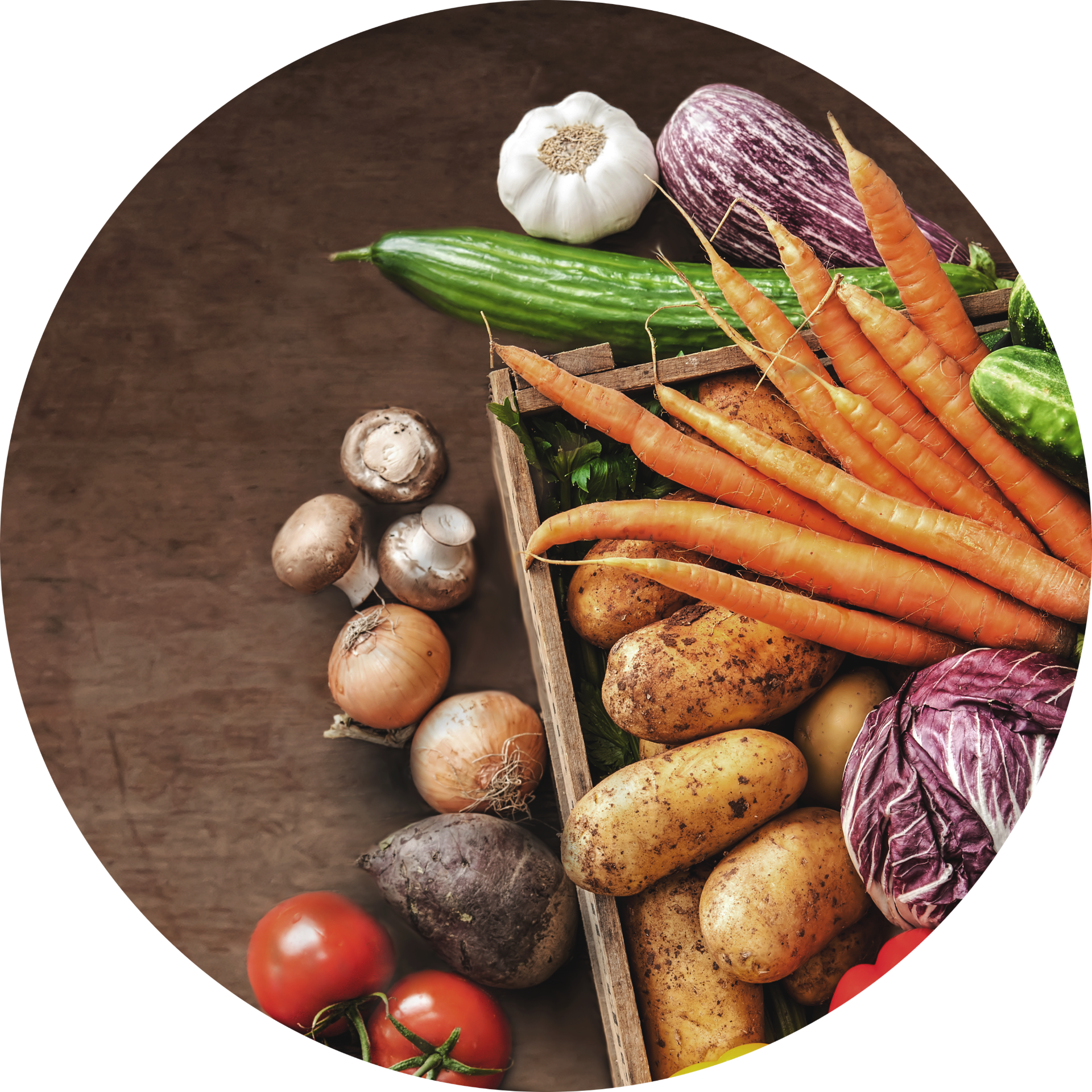
Most people in Ireland know fibre is "good for you" — but very few understand why it's so important, especially for gut health.
👉 The reality is:
Most adults in Ireland don't get enough fibre — and their gut health suffers because of it.
Fibre is a type of carbohydrate that your body cannot digest.
Instead of being broken down in the small intestine, it travels to the large intestine, where it interacts directly with your gut bacteria.
👉 This is where the magic happens.
Some types of fibre act as prebiotics — meaning they feed the beneficial bacteria in your gut.
👉 In simple terms:

Without enough fibre:
❌ good bacteria struggle to survive
❌ gut balance is disrupted
Dissolves in water and forms a gel-like substance.
Benefits:
✔ feeds good gut bacteria
✔ helps regulate blood sugar
✔ supports cholesterol levels
Examples:
Does not dissolve in water.
Benefits:
✔ adds bulk to stool
✔ supports regular bowel movements
✔ helps prevent constipation
Examples:
A diet rich in fibre can support:

✔ Healthy digestion and regular bowel movements
✔ Balanced gut microbiome
✔ Stronger immune system
✔ Stable blood sugar levels
✔ Lower cholesterol
✔ Longer-lasting fullness (supports weight management)
When fiber is fermented in the large intestine, it produces:
👉 Short-chain fatty acids (SCFAs)
These compounds:
Low fiber intake can lead to:
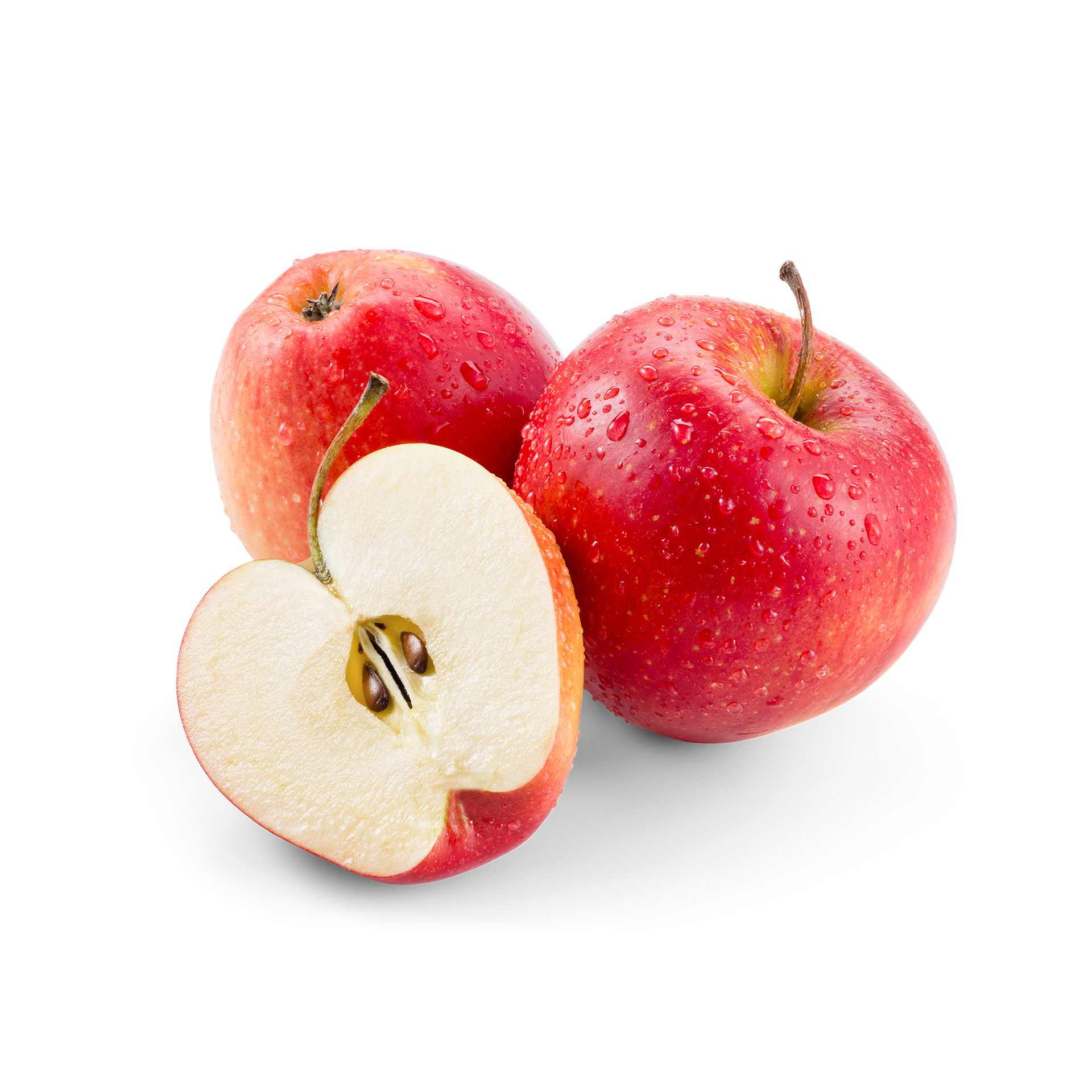
❌ constipation
❌ bloating
❌ poor gut bacteria balance
❌ increased risk of chronic conditions
Most adults should aim for: 👉 25–30 grams of fiber per day. But many people consume far less.
One of the most common signs. Fibre adds bulk and helps stool move through the intestines more easily.
Low‑fibre meals digest quickly, so hunger returns faster.
Fibre slows the release of glucose into the bloodstream. Without it, blood sugar can spike and then drop, causing fatigue.
A low‑fibre diet can disrupt the gut microbiome, leading to gas, bloating, or discomfort.
Soluble fibre helps bind cholesterol in the gut. Low intake may contribute to higher levels.
Low‑fibre foods are less filling, which can lead to overeating without noticing.
Fibre adds volume to meals without adding calories, helping with satiety.
Meals low in fibre digest quickly, which can cause rapid rises and falls in blood sugar.
Straining due to hard stools (often from low fibre) can contribute to hemorrhoids.
Fibre‑rich foods also contain antioxidants and nutrients that support steady energy.
If someone rarely eats these foods, fibre intake is likely low.
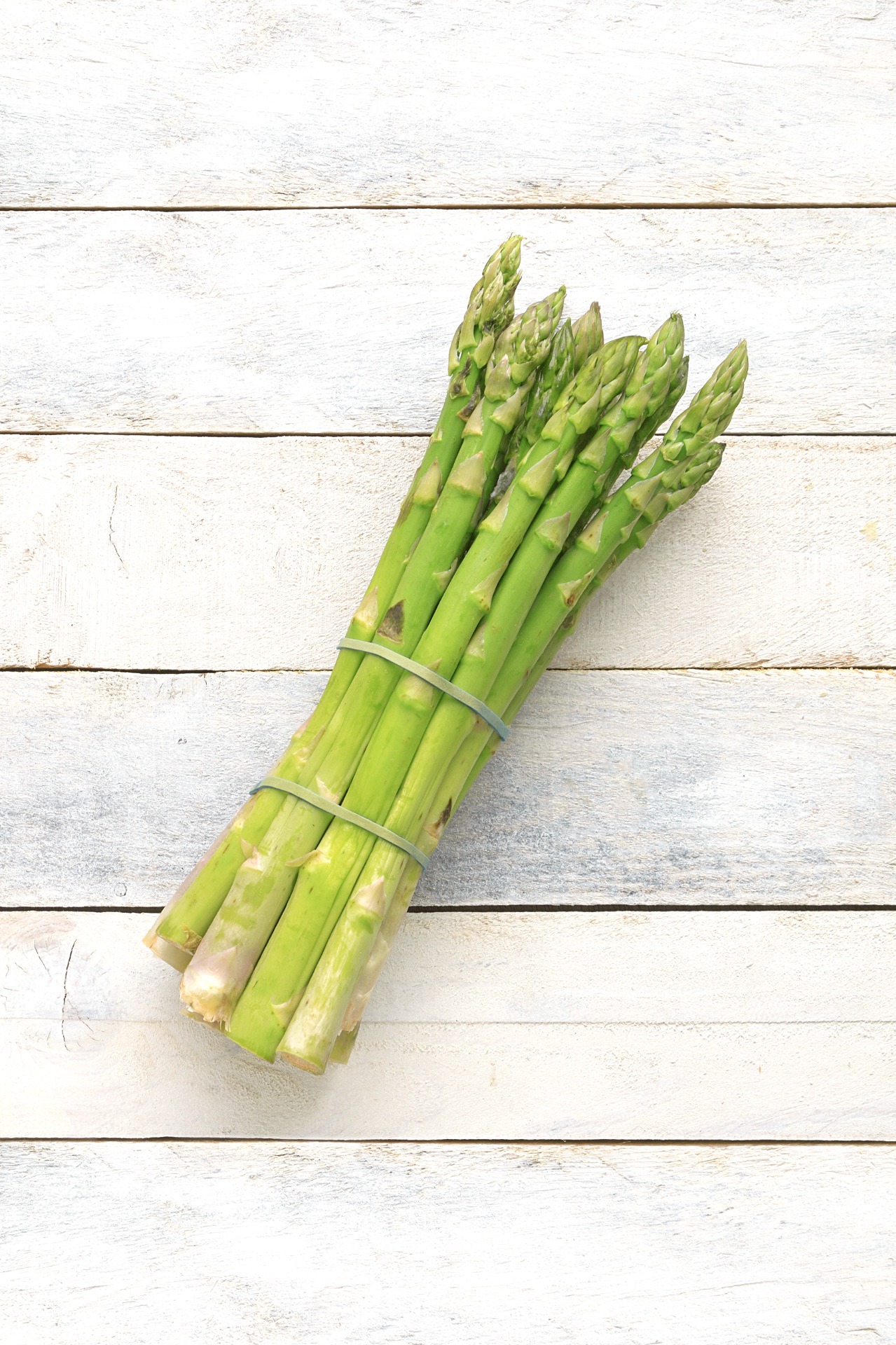
To increase your intake, include more:
Here's the key insight most people miss:
👉 Probiotics work best when combined with fibre
Without fibre:
If your diet is low in fibre, improving it gradually can make a big difference.
👉 Combining a balanced diet with targeted gut support products can help maintain a healthy microbiome long-term.
Fibre is not just about digestion — it's one of the most important nutrients for your overall health.
👉 Supporting your gut daily with the right balance of fibre and beneficial bacteria can have a powerful impact on how you feel.
The information provided on this blog is for educational and informational purposes only and is not intended as medical advice, diagnosis, or treatment. While we aim to share accurate and up-to-date content, the use of any supplements, dietary changes, or health practices discussed here should always be done in consultation with a qualified healthcare professional.
If you are pregnant, nursing, have a medical condition, or are taking any medications, please consult your doctor or a licensed health practitioner before starting any new supplement or wellness routine. The content on this site should not be used as a substitute for professional medical advice or care.